

What makes a trustworthy website for Coaches, Consultants, and Professionals?

Your website is often the first impression people have of your business. Within seconds, visitors decide whether they trust you or move on.
A trustworthy website for professionals is not about flashy design. It’s about clarity, credibility, and consistency. For coaches, consultants, and experts, trust is the foundation of every inquiry and client relationship.
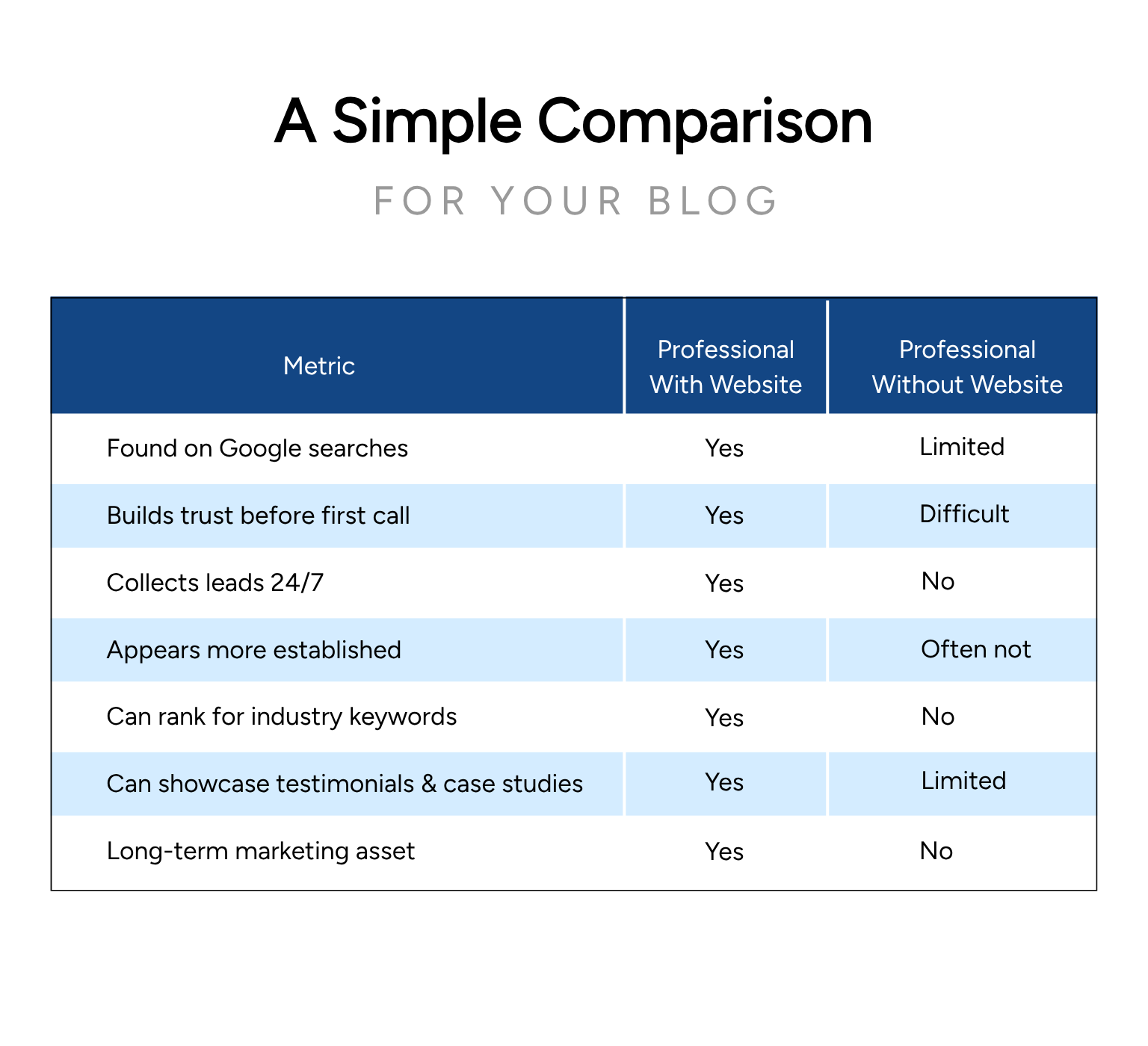
Why Trust Matters More Than Design
A visually appealing website may attract attention, but trust is what drives action.
Visitors are asking:
- Can I trust this person?
- Do they understand my problem?
- Are they experienced enough?
If your website doesn’t answer these questions quickly, conversions drop—even if the design looks polished.
Key Elements of a Trustworthy Website for Professionals
1. Clear Positioning on the Homepage
Your homepage should answer three things immediately:
- Who you help
- What you do
- What outcome clients can expect
Avoid vague statements. Be specific and direct.
2. Strong Personal Introduction
People connect with people, not businesses.
Your About section should:
- Tell your story
- Share your experience
- Explain why you do what you do
If you’re still building your positioning, reviewing <a href=”/what-pages-should-every-website-have”>what pages should every website have</a> can help structure your content properly.
3. Visible Proof and Testimonials
Trust increases when others validate your work.
Include:
- Client testimonials
- Case studies
- Measurable results
Even a few strong testimonials can make a big difference.
4. Consistent Visual Branding
Your website should feel consistent across:
- Colors
- Fonts
- Images
If your visuals feel outdated or disconnected, it can reduce credibility.
Aligning your visuals with your overall brand, including platforms like LinkedIn, strengthens trust. You can support this using <a href=”/linkedin-profile-branding-tips”>LinkedIn profile branding tips</a>.
5. Clear and Simple Navigation
Confusion reduces trust.
Your navigation should be simple and structured around:
- Home
- About
- Services
- Contact
If users struggle to find information, they are more likely to leave.
6. Professional Content That Educates
Educational content builds authority.
Examples:
- Blog posts
- Guides
- FAQs
Content helps visitors understand your expertise before reaching out.
7. Fast, Mobile-Friendly Experience
A slow or poorly optimized website creates doubt.
Make sure:
- Pages load quickly
- The site works well on mobile
- Forms are easy to use
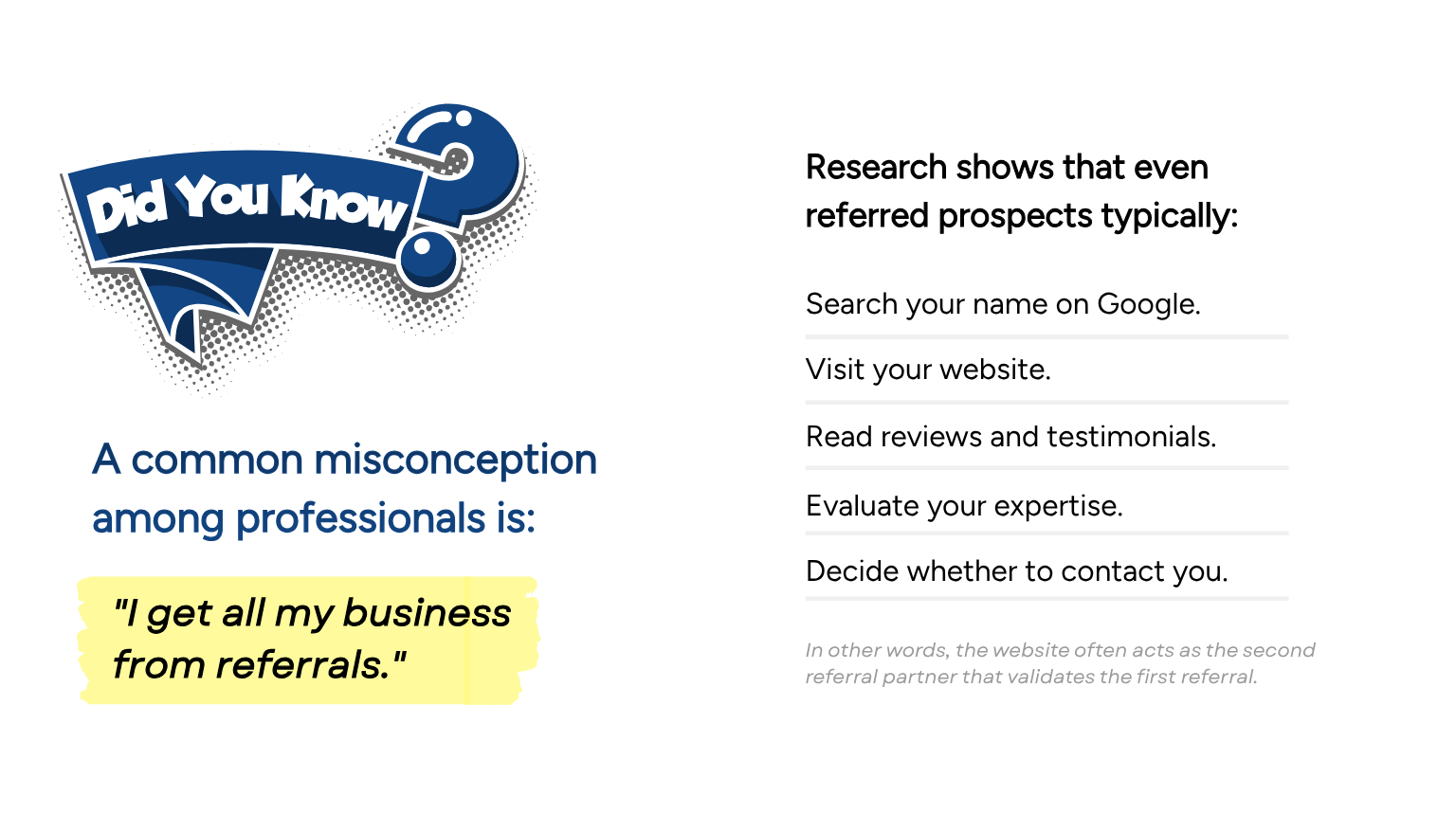
Practical Tips to Improve Trust Today
- Add a professional headshot
- Rewrite your homepage headline for clarity
- Include at least 3 testimonials
- Simplify your navigation menu
- Ensure your contact details are easy to find
Common Mistakes to Avoid
- Overloading the website with information
- Using generic or unclear messaging
- Ignoring mobile responsiveness
- Not showing proof of work
A trustworthy website for professionals is built on clarity, consistency, and credibility. When your website clearly communicates your value and builds confidence, visitors are more likely to take action.
If your website feels unclear or underperforming, start by improving trust signals and simplifying your message. Small improvements can lead to better results.