
How to know when your Brand no longer matches the business you run today

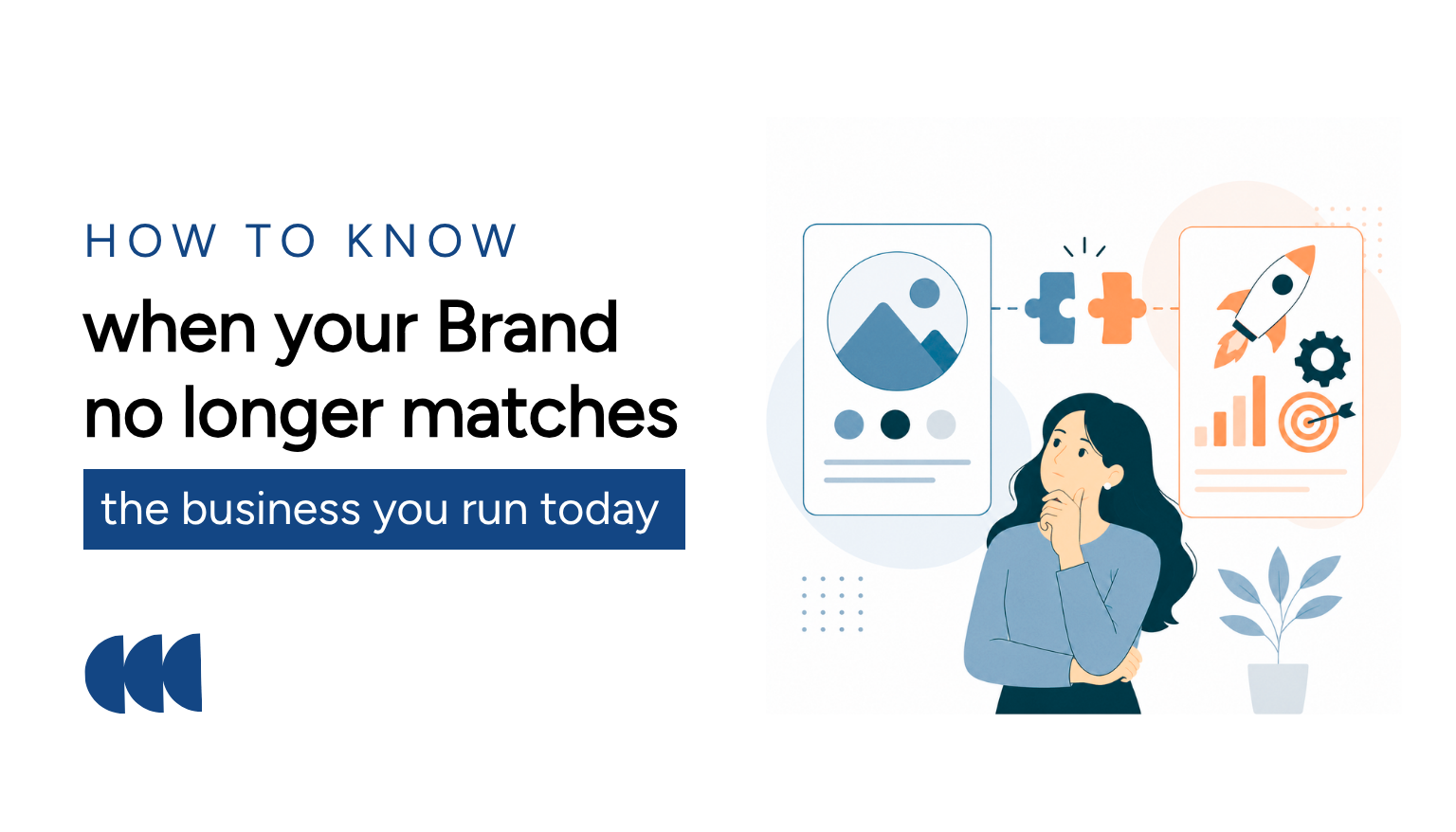
Every business evolves over time. Your services improve, your audience changes, and your expertise grows. But many business owners forget that their brand needs to grow too. This is why many entrepreneurs eventually ask themselves: how to rebrand my business without losing the identity and trust they’ve already built.
A rebrand does not always mean changing everything. In many cases, it means updating your messaging, visuals, and positioning so they accurately reflect the business you run today.
If your brand feels outdated, disconnected, or no longer aligned with your goals, it may be time for a strategic refresh.
Why Rebranding Matters
Your brand shapes how people perceive your business before they ever contact you.
It influences:
- Trust
- Credibility
- Positioning
- First impressions
If your branding no longer reflects your level of expertise or the clients you want to attract, it can slow your growth.
Many businesses struggle because:
- Their website still reflects old services
- Their visuals feel outdated
- Their messaging is unclear
- Their audience has shifted over time
Understanding how to rebrand my business helps solve these problems strategically instead of randomly changing things without direction.
Signs It May Be Time to Rebrand Your Business
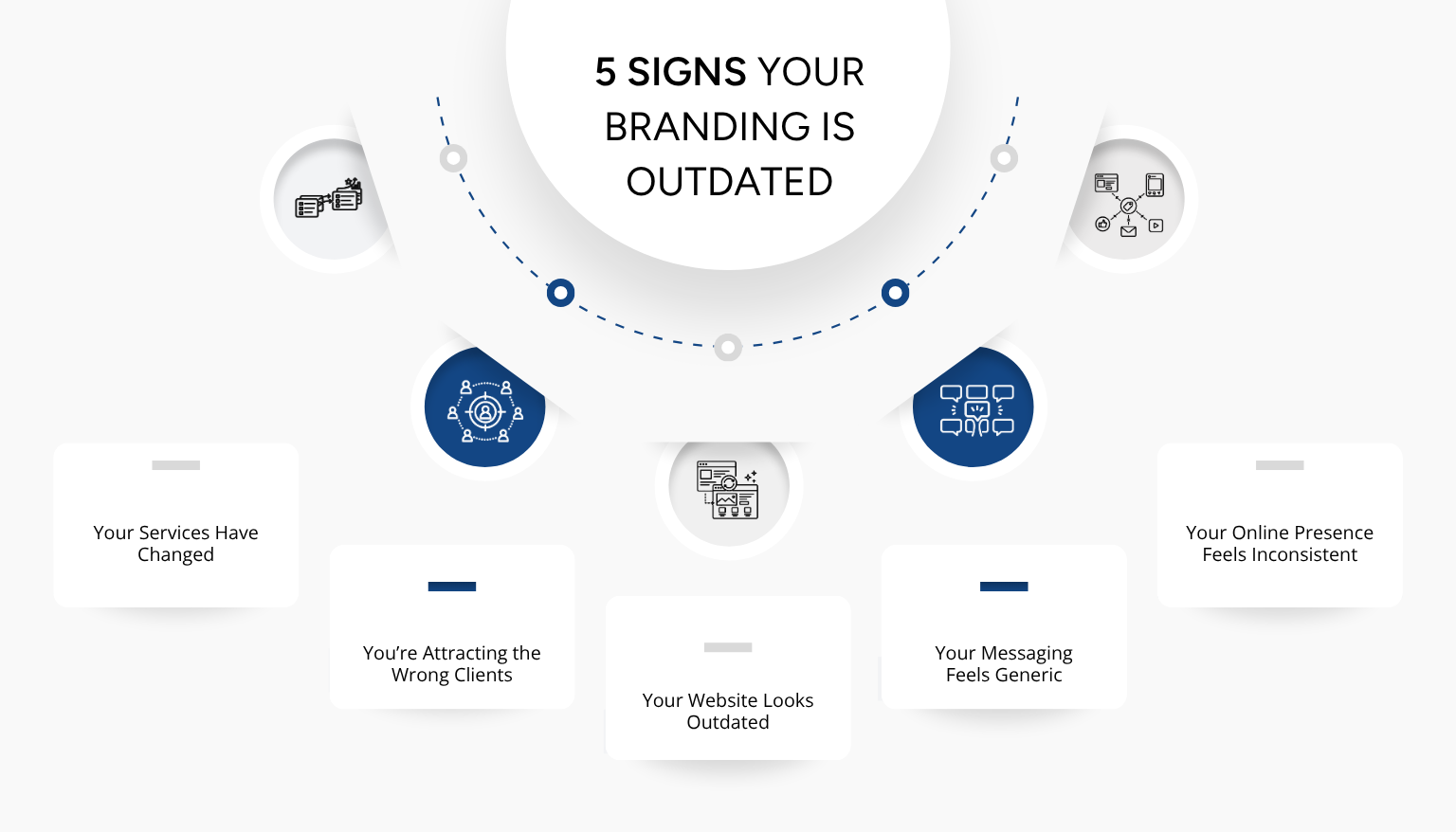
1. Your Services Have Changed
One of the clearest signs is when your business evolves but your branding stays the same.
For example:
- You started as a general consultant but now specialize in a niche
- You moved into higher-end services
- Your target audience changed
If your website still communicates your old positioning, clients become confused.
This is also a good time to review what pages should every website have to ensure your site structure reflects your current business goals.
2. You’re Attracting the Wrong Clients
Your brand directly influences the type of inquiries you receive.
If you consistently attract:
- Low-budget clients
- Misaligned projects
- People outside your niche
Your branding may not be communicating the right message.
A strong rebrand helps reposition your business toward the audience you actually want to serve.
3. Your Website Looks Outdated
Even strong businesses lose credibility when their websites feel old or disconnected from current standards.
An outdated website can make visitors question:
- Professionalism
- Relevance
- Quality
Improving your design and structure using principles similar to website design for law firms can improve trust significantly, even outside the legal industry.
4. Your Messaging Feels Generic
Many businesses use vague phrases like:
- “We help businesses grow”
- “We provide quality service”
These statements do not create differentiation.
When learning how to rebrand business, one of the first priorities should be clarifying:
- Who you help
- What problem you solve
- Why you are different
Clear positioning strengthens your entire brand.
5. Your Online Presence Feels Inconsistent
Your:
- Website
- Social media
- Google Business Profile
Should all feel connected.
If every platform looks or sounds different, trust decreases.
You can improve consistency using strategies similar to these LinkedIn profile branding tips.
How to Rebrand My Business Strategically
1. Start with Positioning
Before changing visuals, define:
- Your ideal audience
- Your niche
- Your unique strengths
Without clear positioning, a rebrand becomes surface-level instead of strategic.
2. Update Your Messaging
Your messaging should reflect:
- Your current expertise
- Your audience’s problems
- Your business direction
Focus on clarity instead of complicated language.
Good messaging should instantly answer:
- What do you do?
- Who do you help?
- Why should someone trust you?
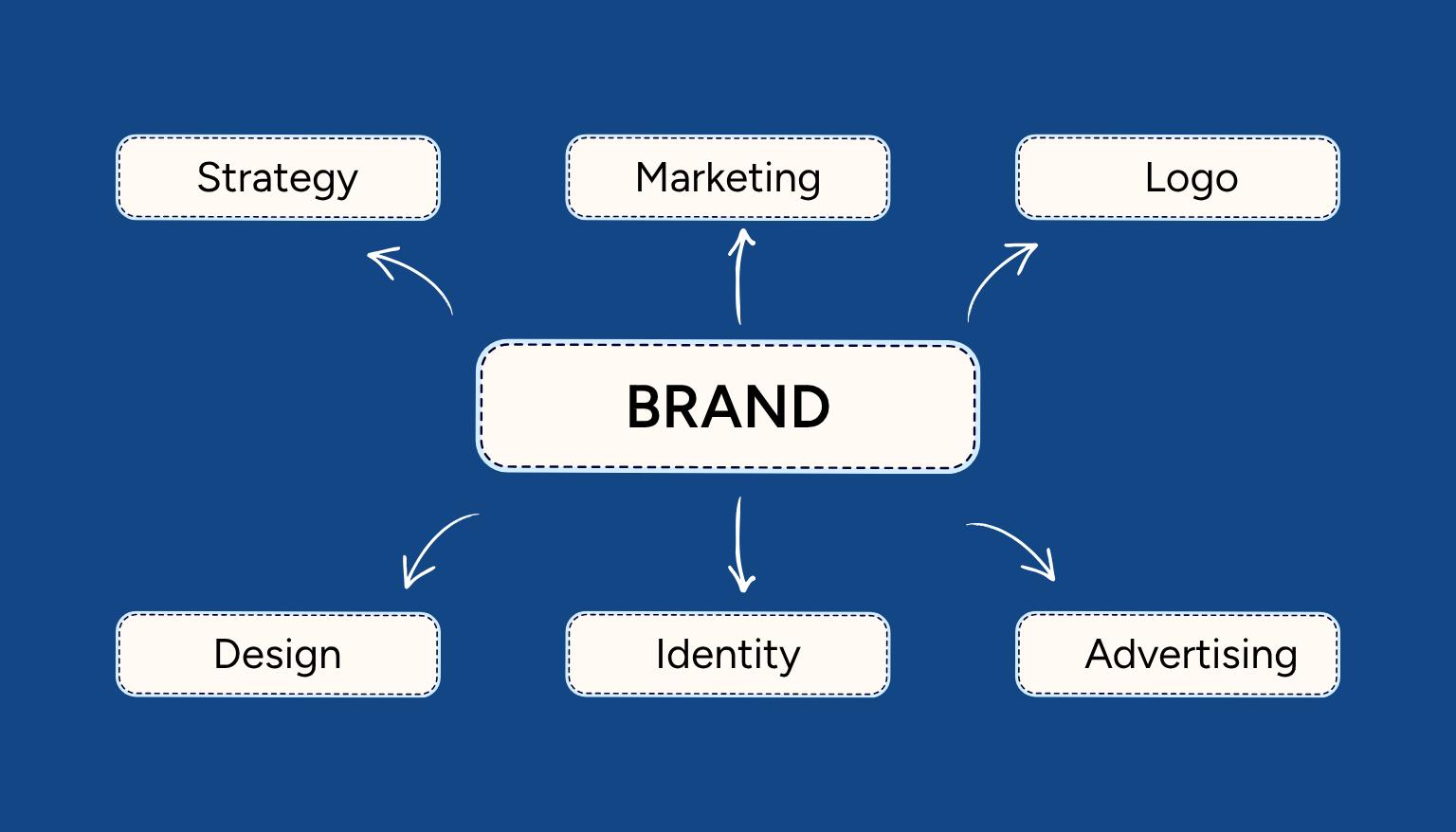
3. Refresh Your Visual Identity
Visual branding includes:
- Colors
- Fonts
- Photos
- Logo
- Website design
You do not always need a completely new identity. Sometimes small updates create a major improvement.
4. Improve Your Website Experience
Your website should support your updated brand.
This includes:
- Better navigation
- Clear calls-to-action
- Updated service pages
- Mobile responsiveness
A strong website supports both branding and conversions.
5. Align Your Local Presence
If you serve a local market, your branding should also align with your online visibility.
Connecting your updated brand with your Google Business Profile and your website helps improve consistency and trust.
Practical Tips for Rebranding Successfully
Audit Your Current Brand
Review:
- Website messaging
- Social media bios
- Visual consistency
- Client perception
Ask for Feedback
Sometimes clients notice inconsistencies before you do.
Ask:
- What stands out about our brand?
- Does our website reflect our expertise?
- What feels unclear?
Update Gradually
You do not need to change everything overnight.
Start with:
- Messaging
- Website updates
- Visual improvements
- Content refreshes
Create Consistent Content
Educational content reinforces your updated positioning.
Examples:
- Blogs
- LinkedIn posts
- Case studies
- FAQs
Consistency builds trust over time.
Common Rebranding Mistakes to Avoid
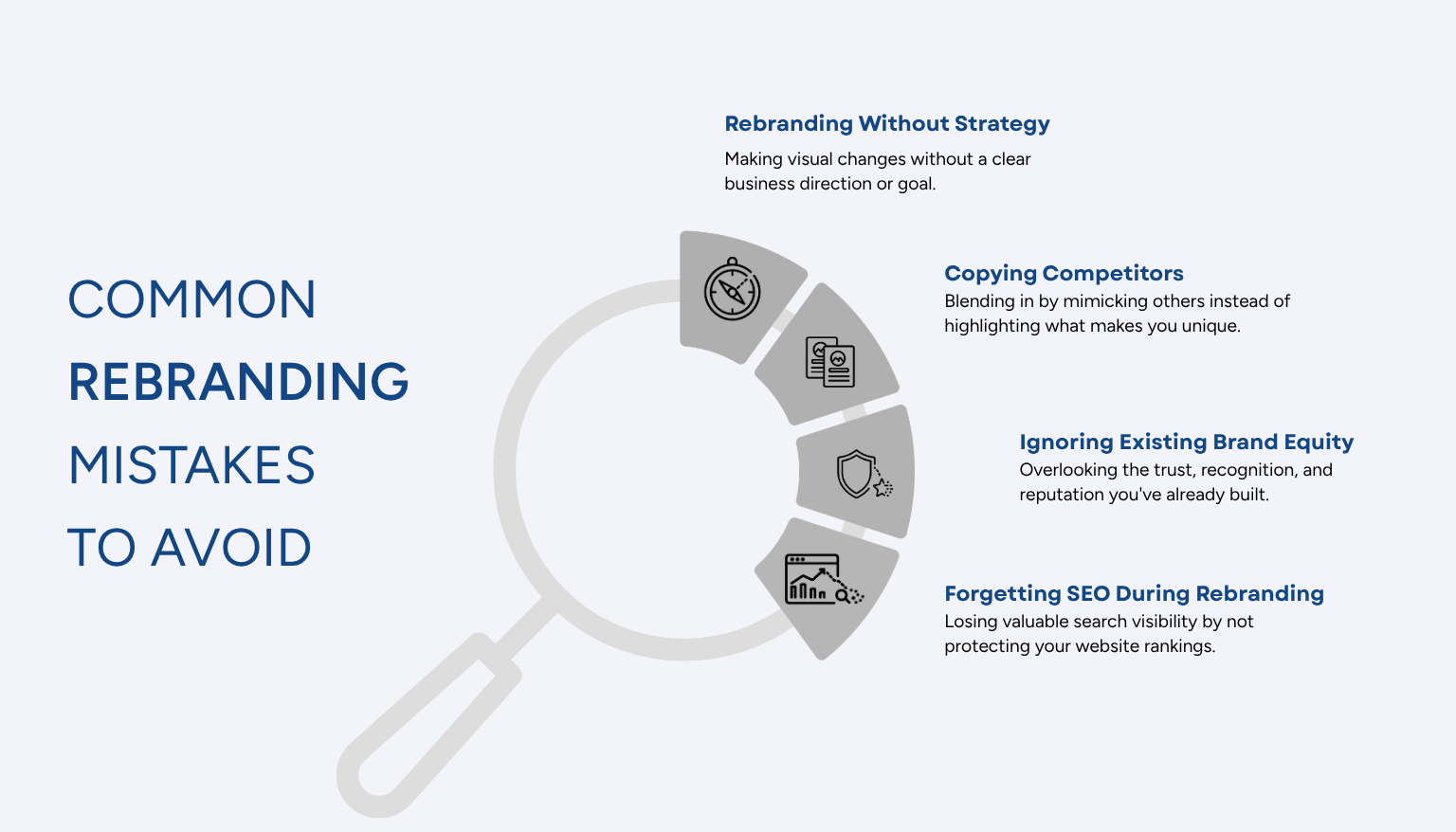
1. Rebranding Without Strategy
Changing visuals without fixing messaging creates confusion.
2. Copying Competitors
Your brand should reflect your strengths, not someone else’s style.
3. Ignoring Existing Brand Equity
If people already recognize parts of your brand, keep what still works.
4. Forgetting SEO During Rebranding
When updating your website:
- Preserve valuable pages
- Redirect URLs properly
- Maintain keyword optimization
If you’ve been asking yourself how to rebrand my business, the answer starts with alignment.
Your brand should reflect:
- Your current expertise
- Your ideal audience
- Your business direction
A strategic rebrand is not about becoming someone new. It’s about presenting your business in a way that accurately reflects who you are today.
If your business has evolved but your brand still feels stuck in the past, it may be time to refresh your messaging, visuals, and website experience so they better reflect the business you run today.