

What Pages Should Every Website Have? 7 Must-Have Pages for Personal Brands

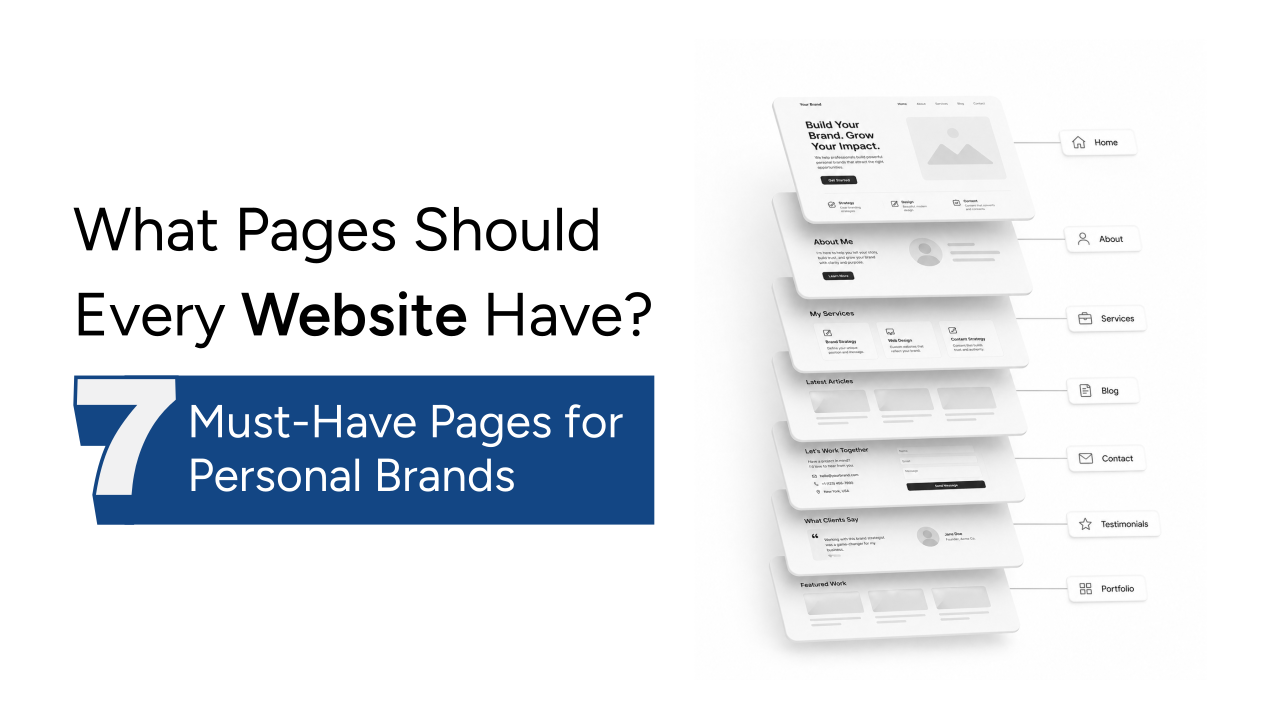
When building a website, many people focus on design but overlook structure. A well-structured site answers the question: what pages should every website have?
The right pages guide visitors, build trust, and help convert traffic into inquiries.
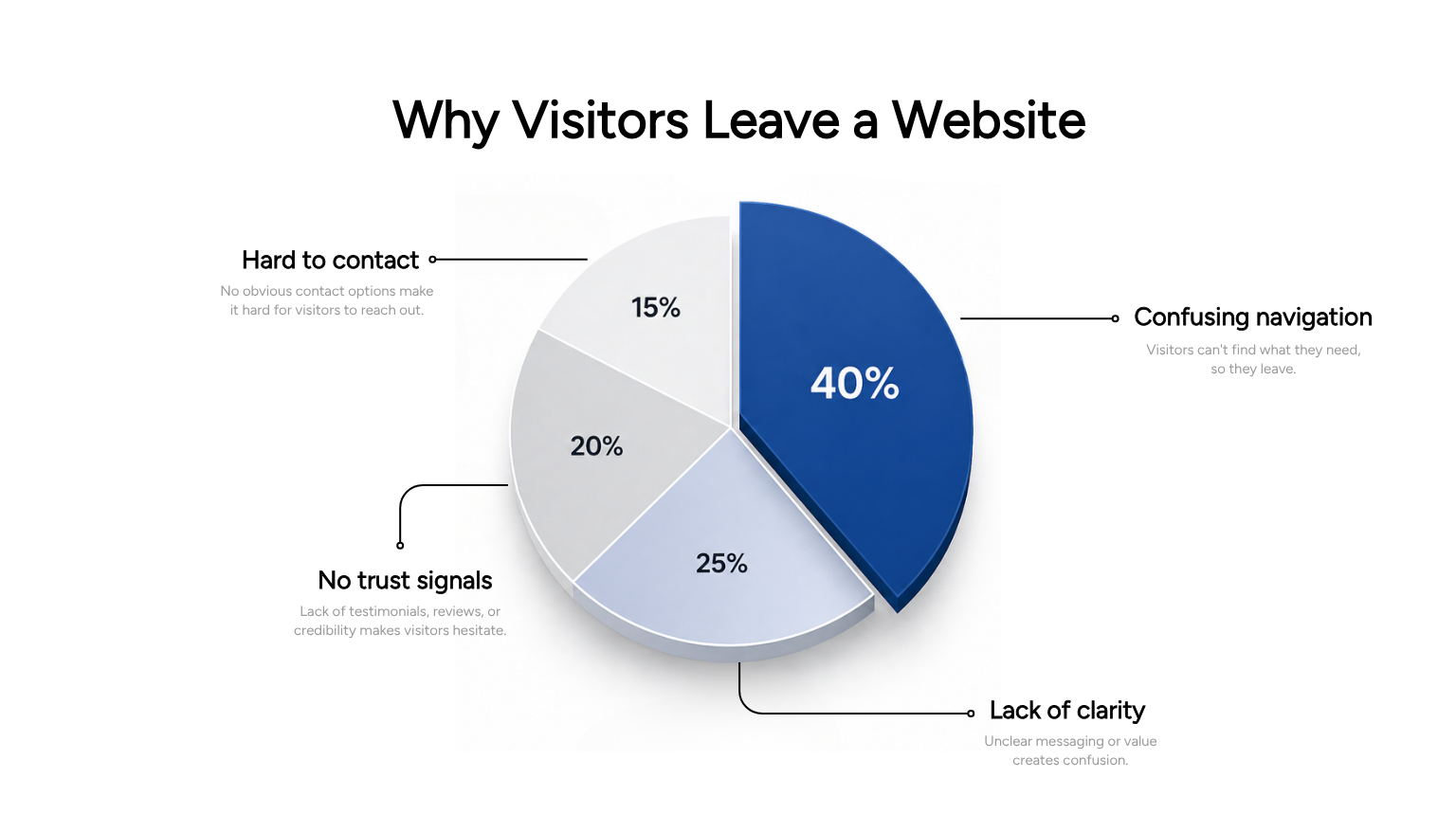
Why Website Structure Matters
A confusing website leads to lost opportunities.
A clear structure:
- Helps users navigate easily
- Improves SEO
- Builds trust
If you’re working on how to build your brand as a lawyer, your website structure plays a key role.
The 7 Essential Pages
1. Home Page
Your first impression.
It should clearly explain:
- Who you are
- Who you help
- What you offer
2. About Page
This builds connection.
Include:
- Your background
- Your values
- Why you do what you do
3. Services Page
Explain your services clearly.
If you are in the legal space, align your structure with website design for law firms.
4. Contact Page
Make it easy to reach you.
Include:
- Form
- Phone
- Booking link
Also connect it with your Google Business Profile.
5. Blog Page
This helps:
- Improve SEO
- Answer client questions
- Build authority
6. Testimonials Page
Trust matters.
Include:
- Reviews
- Client feedback
- Case highlights
7. Media or Portfolio Page
Show your work, photos, or features.
Practical Tips
- Keep navigation simple
- Use clear headings
- Add internal links
- Ensure mobile responsiveness
Understanding what pages should every website have helps you build a strong foundation that supports both visibility and conversions.
If your website feels unclear or underperforming, start by reviewing your structure and aligning it with your goals.