

How to Build Your Personal Brand as an Entrepreneur (Even If You Already Have a Website)

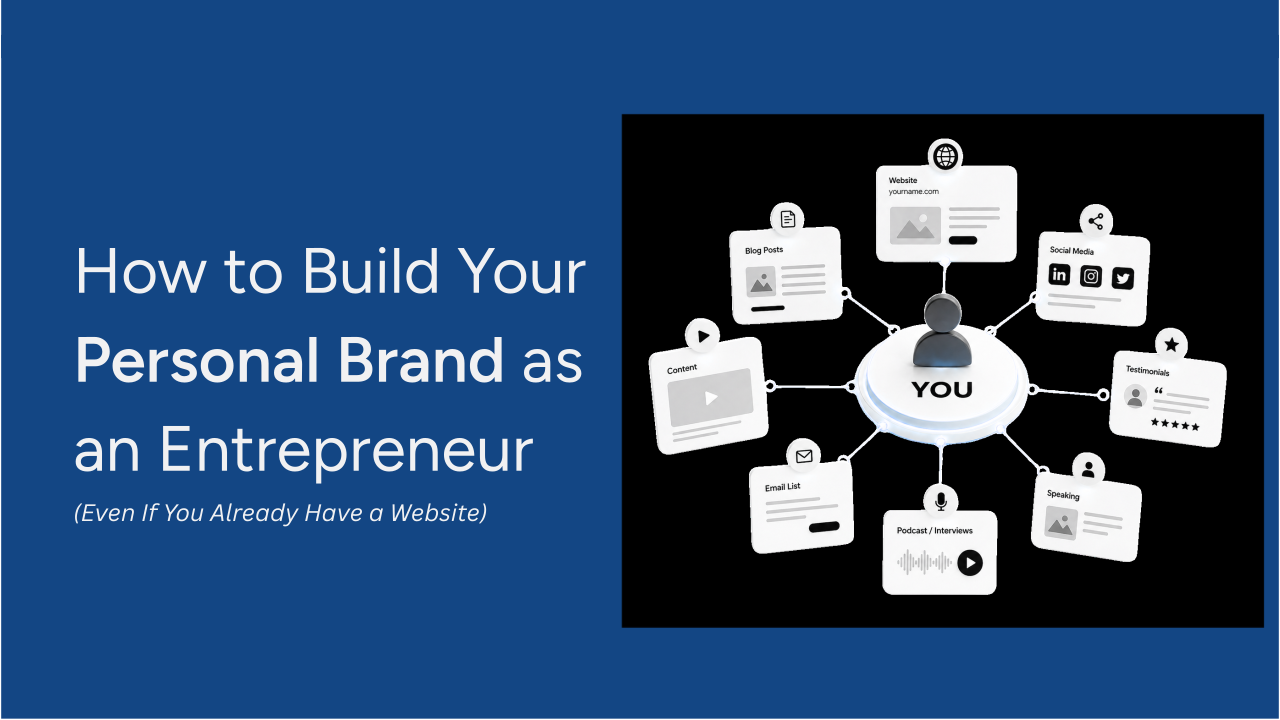
Many entrepreneurs believe that having a business website is enough to bring in clients.
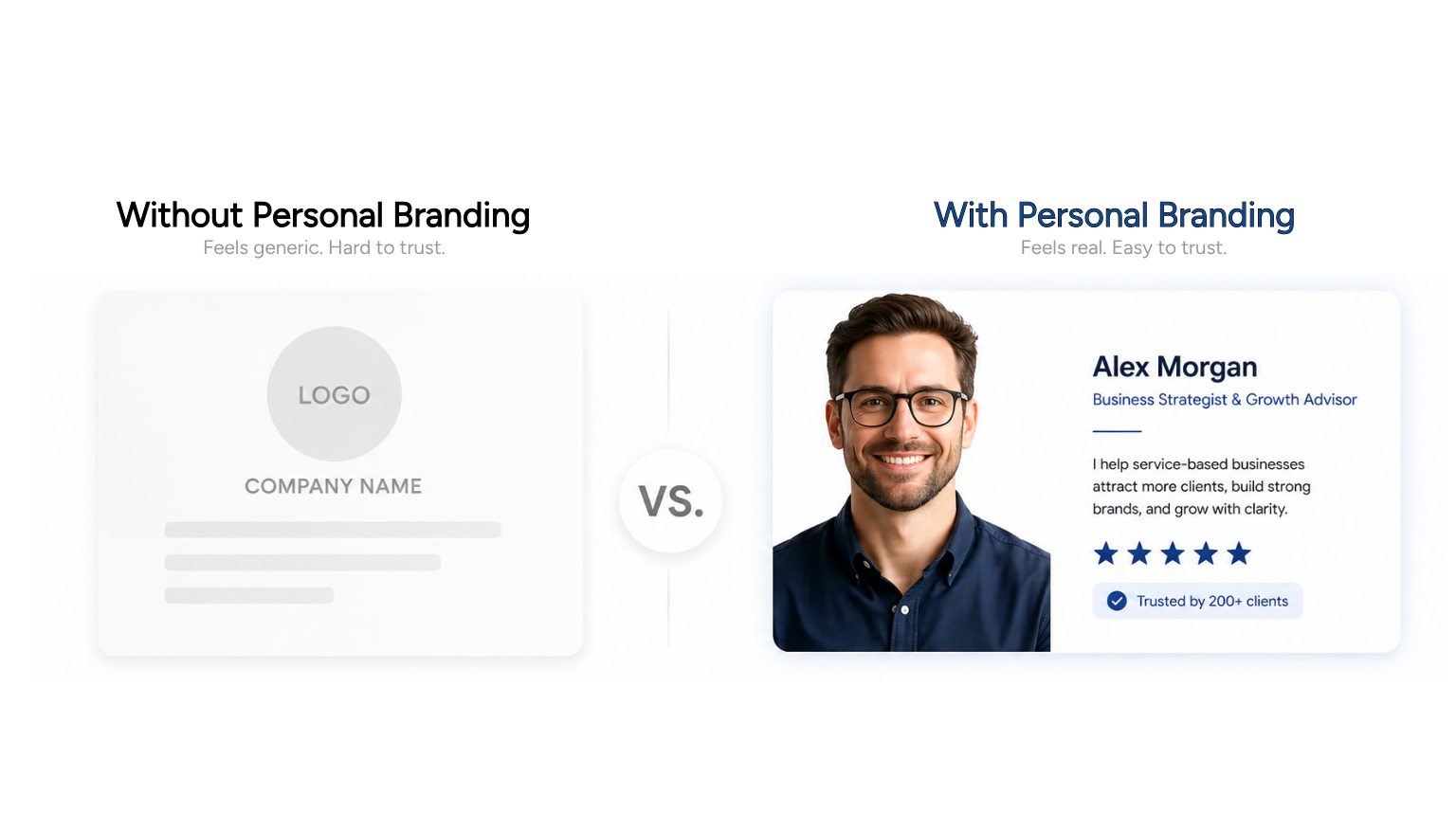
But in reality, people don’t just buy from businesses—they buy from people they trust.
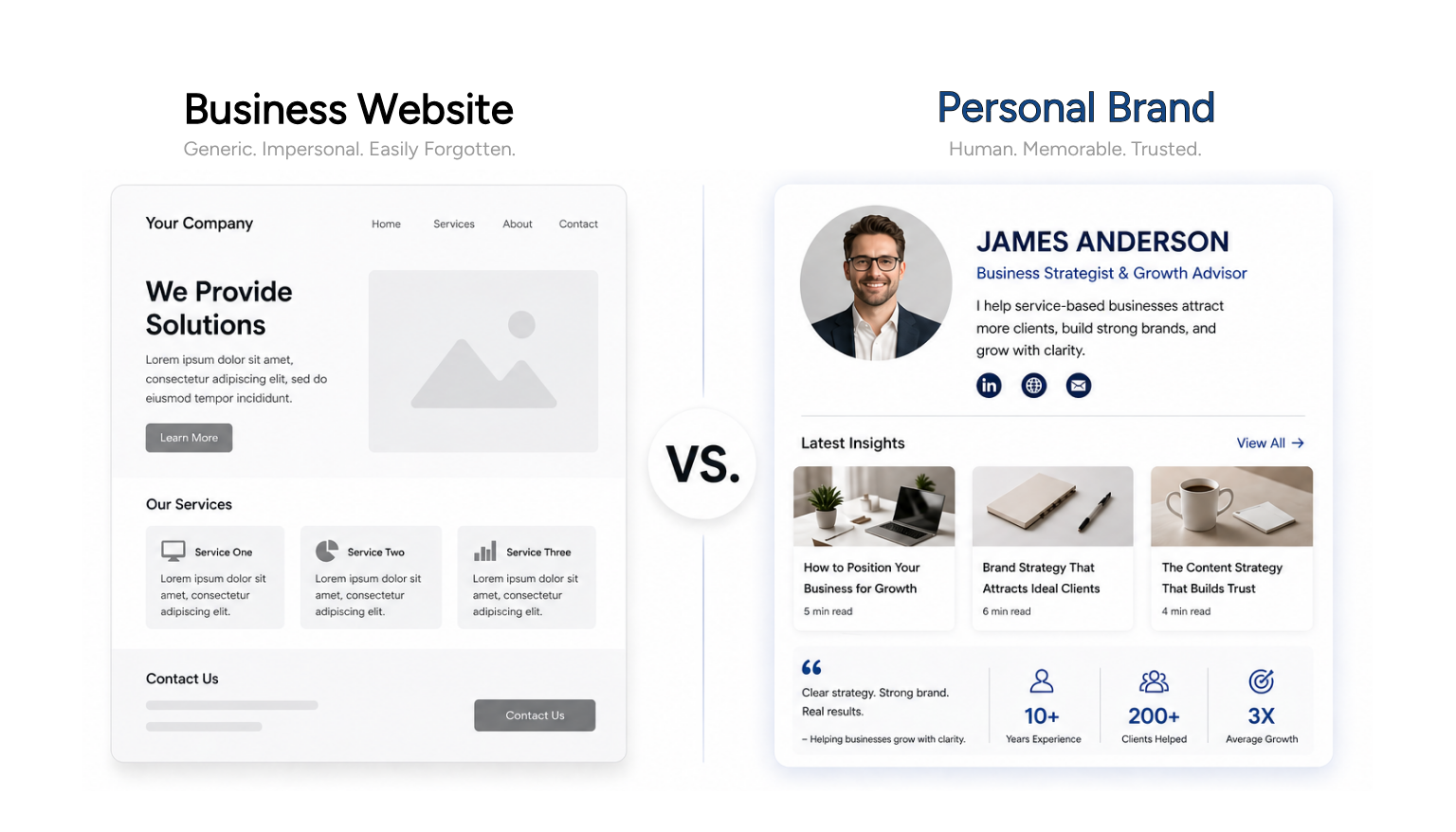
That’s why learning how to build your personal brand as an entrepreneur is so important. A strong personal brand helps you stand out, especially in crowded markets where customers compare multiple options before making a decision.
Why Personal Branding Matters More Than Ever
When someone searches your name online, what do they see?
A basic business profile?
Or a clear, confident presence that shows what you stand for?
Your personal brand shapes:
- First impressions
- Trust and credibility
- Buying decisions
Even if your business already has a website, people still want to know who is behind it.
If your website doesn’t clearly reflect you, it may be time to review how your core pages present your story and expertise.
How to Build Your Personal Brand as an Entrepreneur (Step-by-Step)
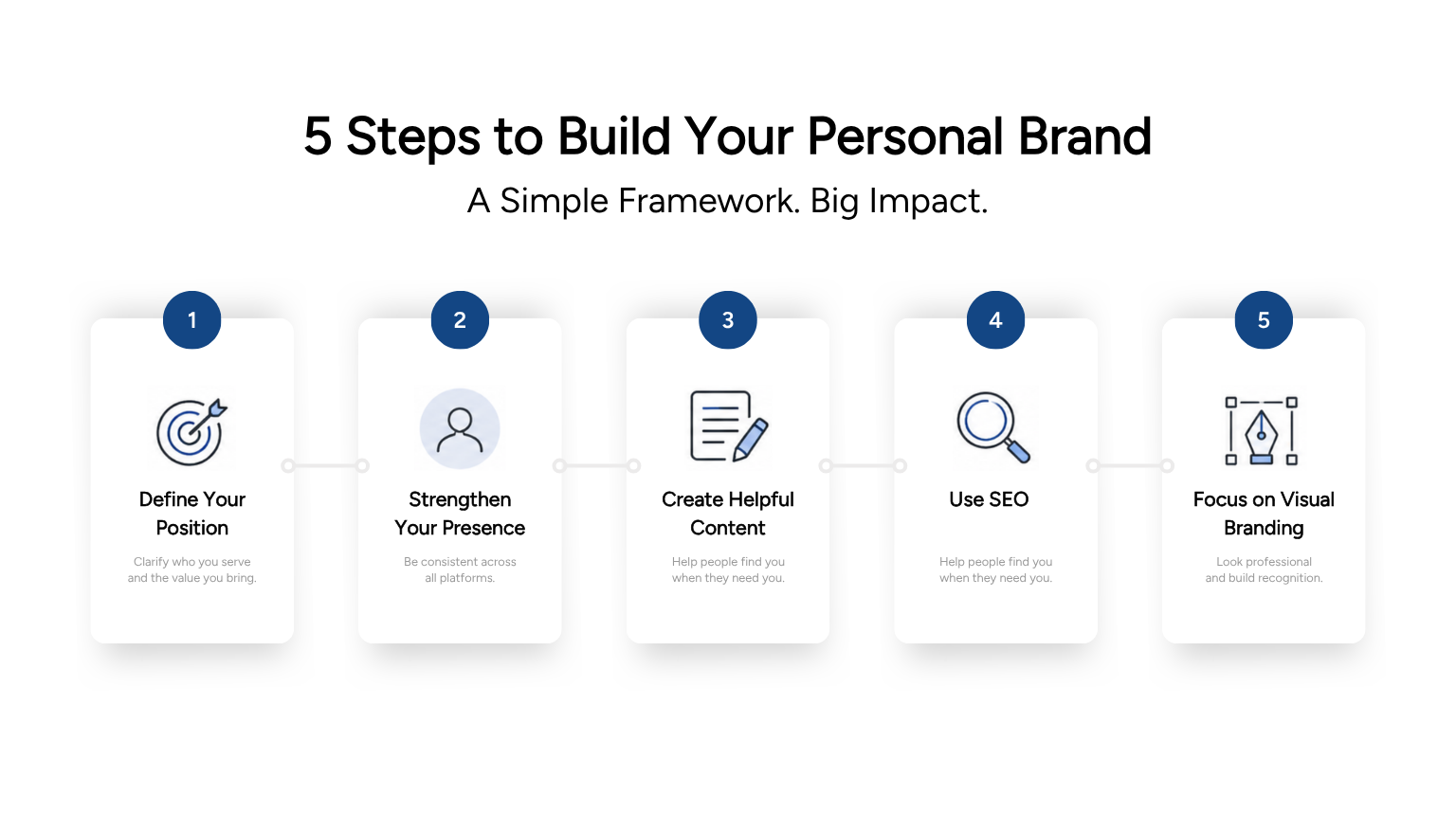
1. Define Your Position Clearly
One of the most common mistakes entrepreneurs make is trying to serve everyone.
Instead:
- Focus on a specific audience
- Define who you want to work with
- Be clear about what you do best
Example:
“Business coach” → too broad
“Business coach for service-based startups” → clear and focused
Clarity makes it easier for the right people to choose you.
2. Strengthen Your Online Presence
Your presence should feel consistent wherever people find you.
This includes:
- Your website
- LinkedIn or other social platforms
- Guest features, podcasts, or articles
If your profiles feel incomplete or unclear, refining them can make a noticeable difference in how people respond to you.
3. Create Content That Helps People
Content builds trust before someone ever contacts you.
You don’t need to overcomplicate it. Start with:
- Answering common questions your audience has
- Sharing lessons from your experience
- Breaking down topics in simple terms
Example:
If you run a marketing agency, explain:
- “Why your website isn’t getting leads”
- “What small businesses should fix first on their homepage”
This shows that you understand real problems and can help solve them.
4. Use SEO to Support Your Personal Brand
SEO helps people find you when they search online.
To support your brand:
- Use relevant keywords in your blog posts
- Optimize your website pages
- Stay consistent with helpful content
You can also connect your efforts with your Google Business Profile and social platforms to build a stronger presence.
5. Focus on Visual Branding
People form opinions quickly based on what they see.
Make sure you have:
- Professional photos
- Consistent colours and fonts
- A clean, easy-to-read website
If your website feels outdated or cluttered, improving the design can instantly build more trust.
Practical Tips You Can Apply Today
- Update your LinkedIn headline to reflect your niche
- Add a personal story or “about you” section on your website
- Use high-quality, natural photos
- Collect testimonials that mention you directly
- Share one helpful post each week
Common Mistakes to Avoid
- Relying only on your business name
- Using vague or generic descriptions
- Ignoring visual consistency
- Hiding your personality
Final Thoughts
Learning how to build your personal brand as an entrepreneur gives you a clear advantage. It helps you attract better clients, build trust faster, and create long-term growth beyond your business name.
If you want to strengthen your presence, start by aligning your website, social profiles, and content. When everything feels consistent, people are more likely to trust you—and choose you.